Hot weather changes how tires behave. The air inside expands, the rubber runs warmer, and small problems turn into bigger ones. The good news is that most of what helps is quick and free.
This guide covers what heat does to your tires, what to check, and when a quick look from a technician is worth it.
What heat does to a tire
Tire pressure rises as the air inside warms up. A tire that reads correctly on a cool morning can read noticeably higher after an hour of highway driving on hot pavement. Underinflated tires are the bigger concern, because they flex more, build heat faster, and wear unevenly.
Heat also ages rubber. Over time it dries out the sidewall and can lead to small cracks. A tire with plenty of tread can still be unsafe if it is old or damaged.
Check pressure the right way
Pressure is the single most useful habit, and it only takes a few minutes.
- Check the tires when they are cold, before you drive or after the car has sat for a few hours.
- Find the correct pressure on the sticker inside the driver's door jamb, not on the tire sidewall.
- Add or release air until each tire matches the sticker.
- Do not forget the spare if you have a full-size one.
- Replace the valve caps so dirt stays out.
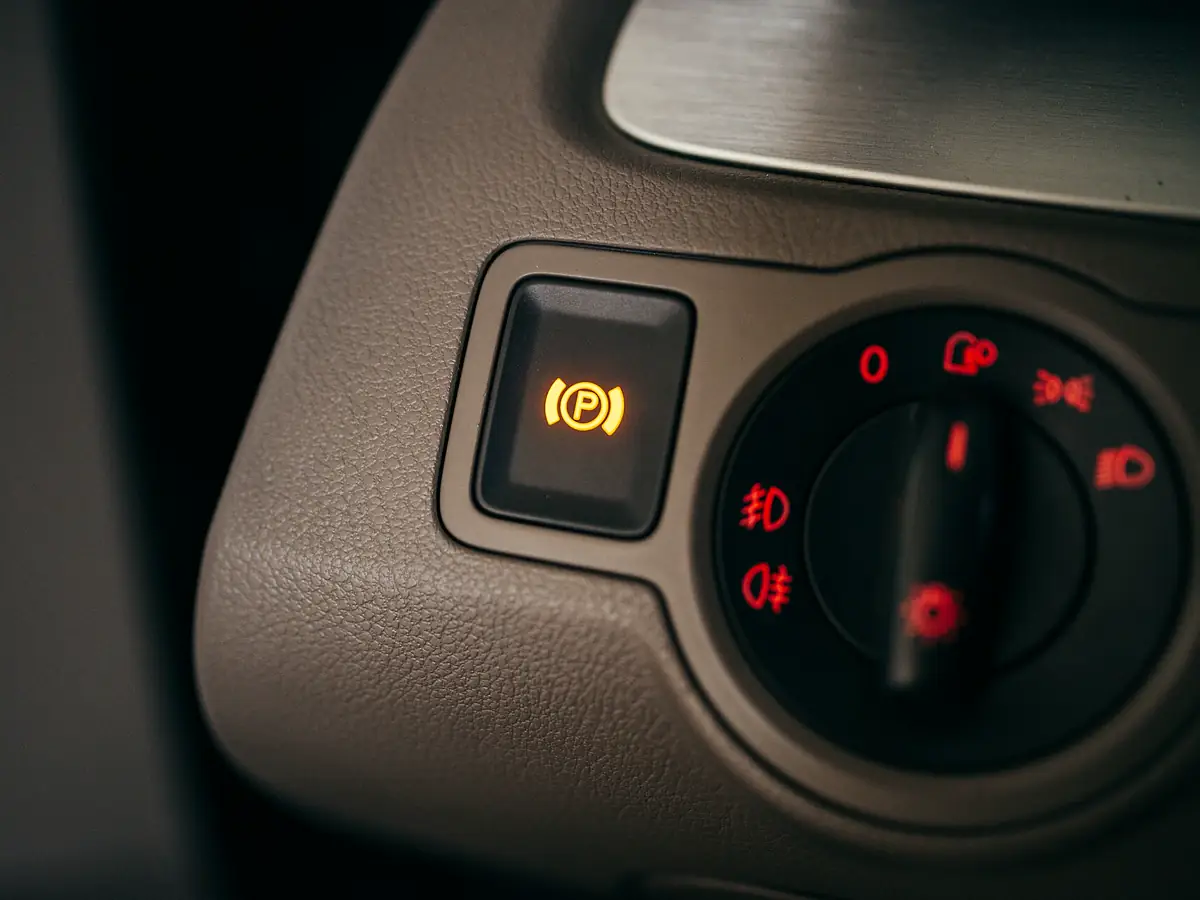
If the warning light for tire pressure comes on, do not ignore it. Check all four tires, not just the one that looks low.
Signs of wear to look for
You do not need special tools for a first check. Walk around the car and look closely.
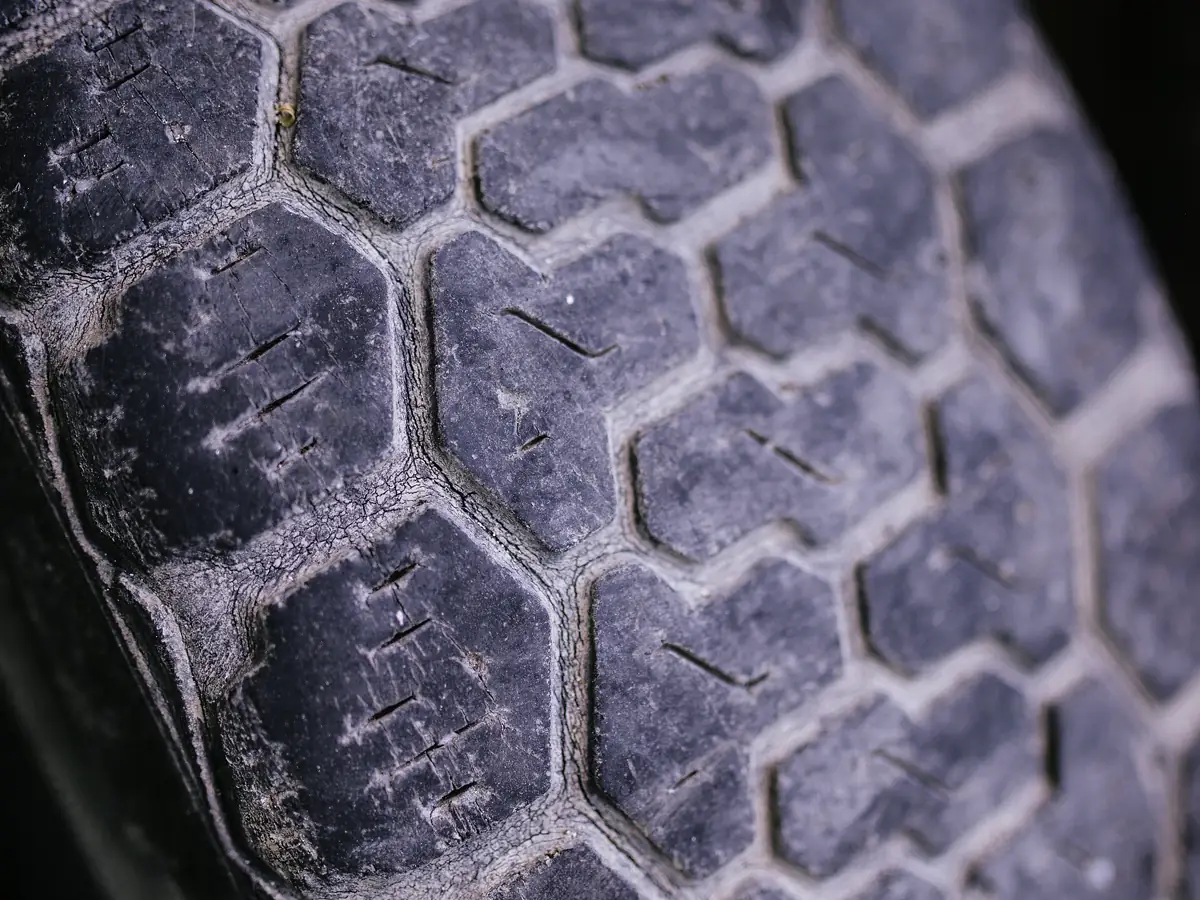
- Low tread. Place a coin in the groove. If you can see most of the rim of the coin, the tread is getting thin.
- Uneven wear. Wear on one edge often points to an alignment or suspension problem.
- Cracks or bulges. These are signs of aging or internal damage and should be checked soon.
- Vibration at highway speed. This can mean a balance issue or a damaged tire.
- Embedded objects. A nail or screw can cause a slow leak that gets worse in the heat.
Rotation, alignment and balance
Rotating your tires moves each one to a different position so they wear more evenly. Most cars do well with a rotation at every oil change or about every 5,000 to 7,500 miles.
Alignment keeps the wheels pointing the same way. If the car pulls to one side or the steering wheel sits off-center, an alignment is worth checking. Our wheel alignment starts at $99. You can read more on our steering, suspension and tires page.
Load and speed matter too
Heavy loads and long drives add heat. Before a summer road trip, check pressure, look over the tread, and make sure you are not carrying more weight than the car is rated for. The load rating is listed on the same door jamb sticker.
If you tow a trailer, check the trailer tires as well. They are easy to forget and often sit unused for months.
When tires are past saving
No amount of care makes a worn tire safe. If the tread is low, the sidewall is cracked, or the tire has a bulge, it is time to replace it. Replacing tires in pairs or as a full set helps the car handle predictably. We will tell you what is needed and what can wait, with photos where possible, through a digital inspection.
When to call us
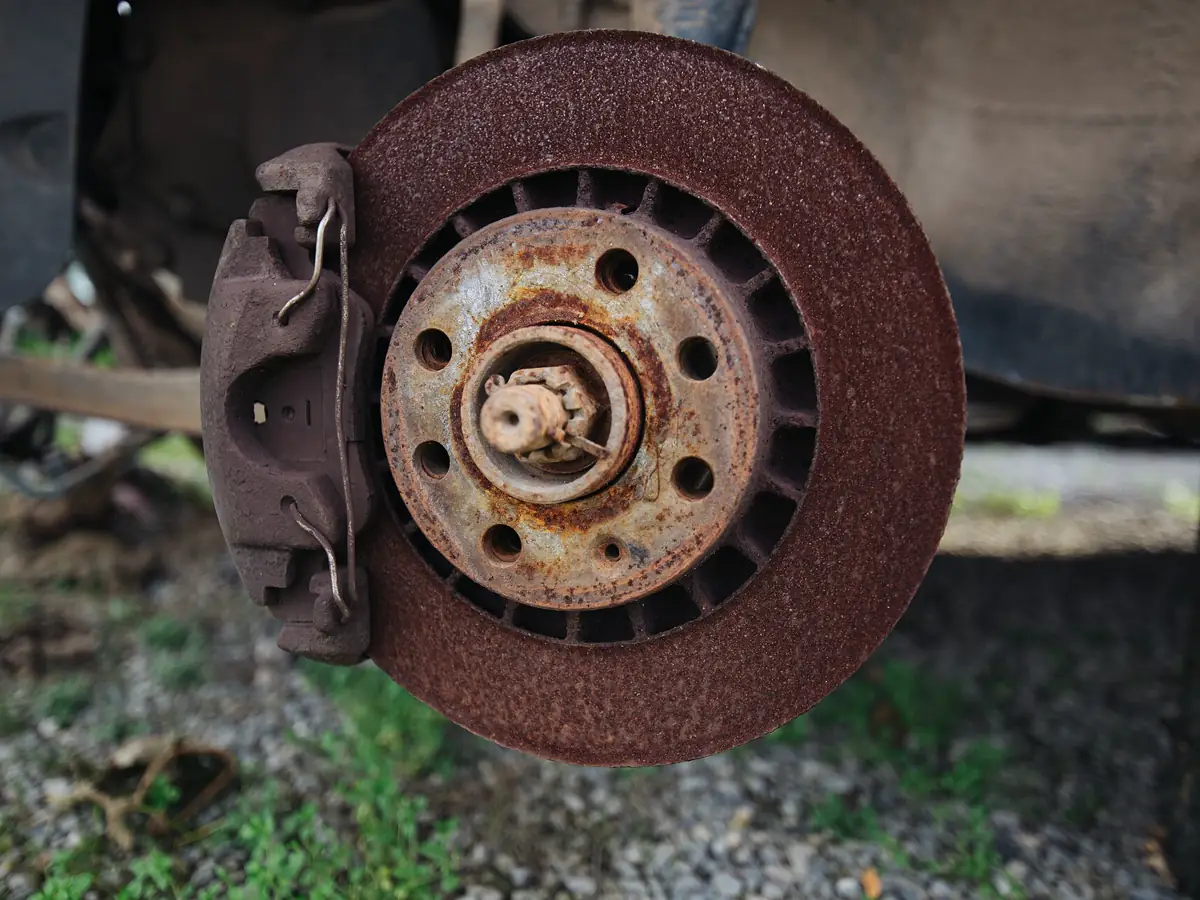
If you notice uneven wear, a pull to one side, or a vibration that was not there before, bring the car in. Visit our contact page or call +1 (555) 010-0123 and we will find a time that works. Brake inspections are free with any service, so we can look at the whole picture in one visit.