What we handle
- Four-wheel alignment service
- Wheel balancing and tire mounting
- Tire rotation and pressure check
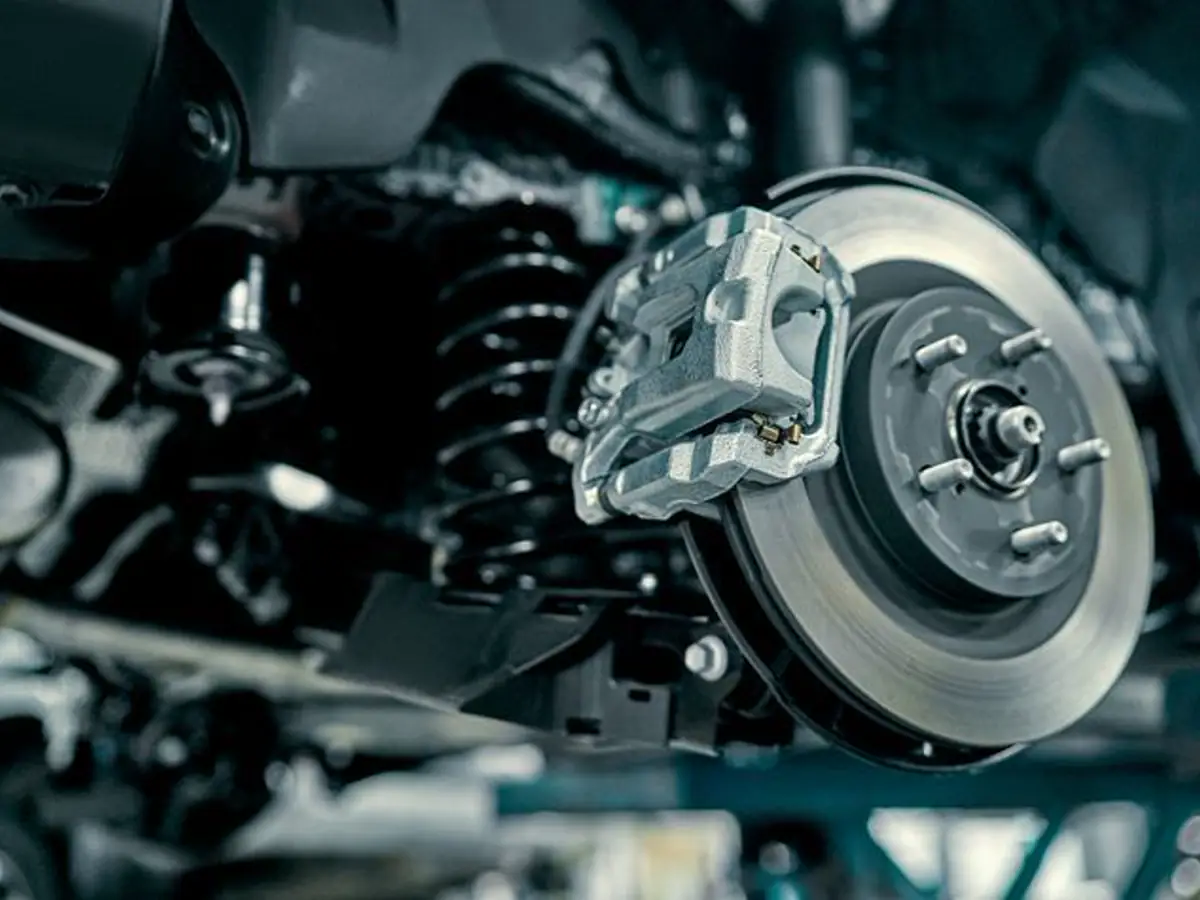
- Shock and strut replacement
- Tie rod and ball joint repair
- Control arm and bushing repair
- Power steering service
- Tire wear inspection
Warning signs to watch for
- Your vehicle pulls to one side on a flat, straight road.
- The steering wheel is off-center when you drive straight ahead.
- The wheel or seat vibrates at certain highway speeds.
- Tires wear unevenly, with bald edges or cupped patches.
- The vehicle bounces repeatedly over bumps or dips when you brake.
- You hear clunks or creaks over bumps or when turning.
How we work
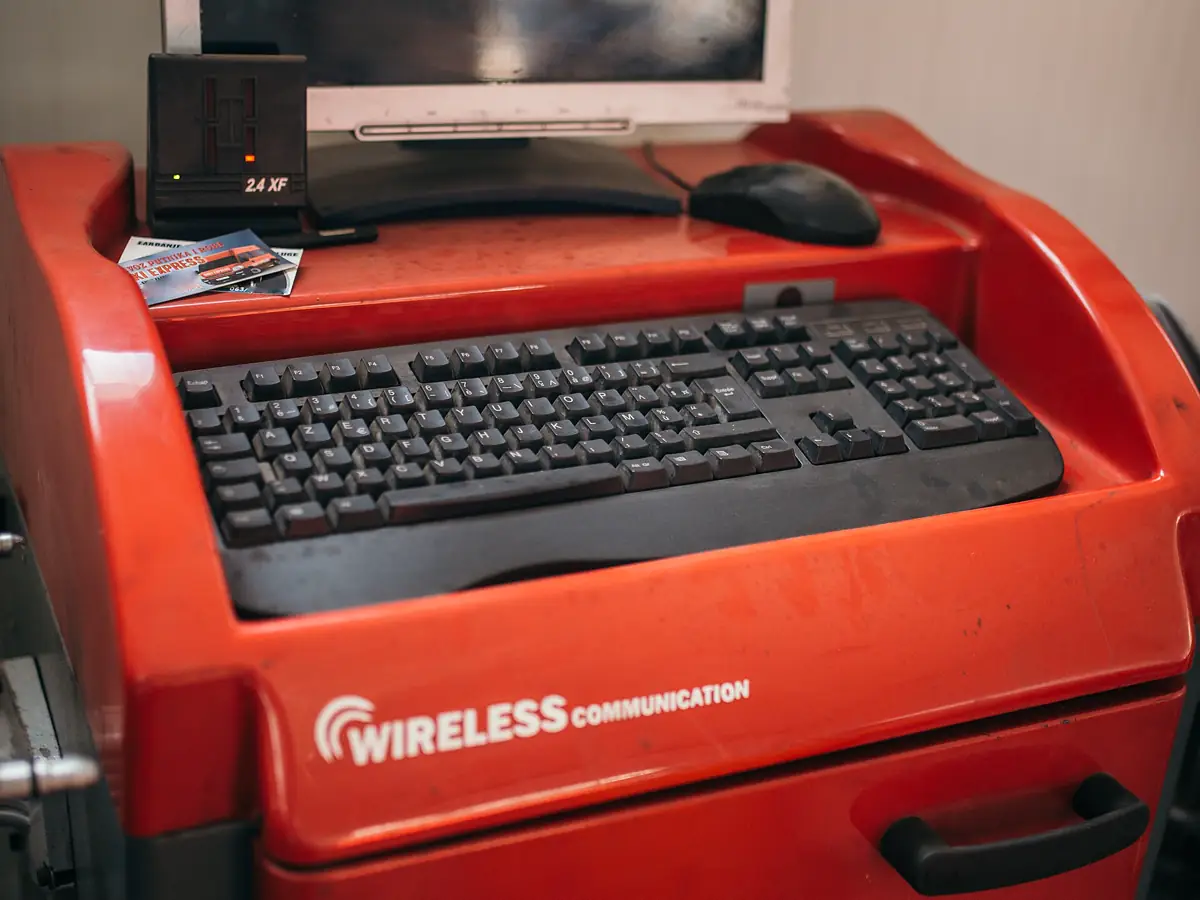
We inspect the tires, check tread depth and pressure, and look over every steering and suspension joint. For an alignment, we measure all four wheels on our alignment rack. A digital inspection with photos shows you each reading, so you can see what is out of range.
You receive a written quote before any repair. Nothing is done without your approval. After the work we give you the before and after alignment readings and road-test the vehicle to confirm that it drives straight, quietly and without any vibration at speed.
Alignment, balance and worn parts
Alignment sets the angles of your wheels so the vehicle tracks straight and the tires wear evenly. Balancing adds small weights so each wheel spins without shaking.
- Alignment: advisable after replacing suspension parts or hitting a hard pothole.
- Rotation: moves tires between positions so they wear evenly.
- Shocks and struts: control bounce, and weak ones affect braking distance.
- Tie rods and ball joints: connect the wheels to the steering, and play in them is a safety issue.
Good to know
Rotating tires about every 5,000–7,500 miles can add noticeable life to a set. Do the alignment after worn steering parts are replaced, not before, or the settings will not hold for long. Check tire pressure monthly.