What we handle
- A/C performance check and repair
- R-134a and R-1234yf refrigerant service
- Refrigerant leak detection and repair
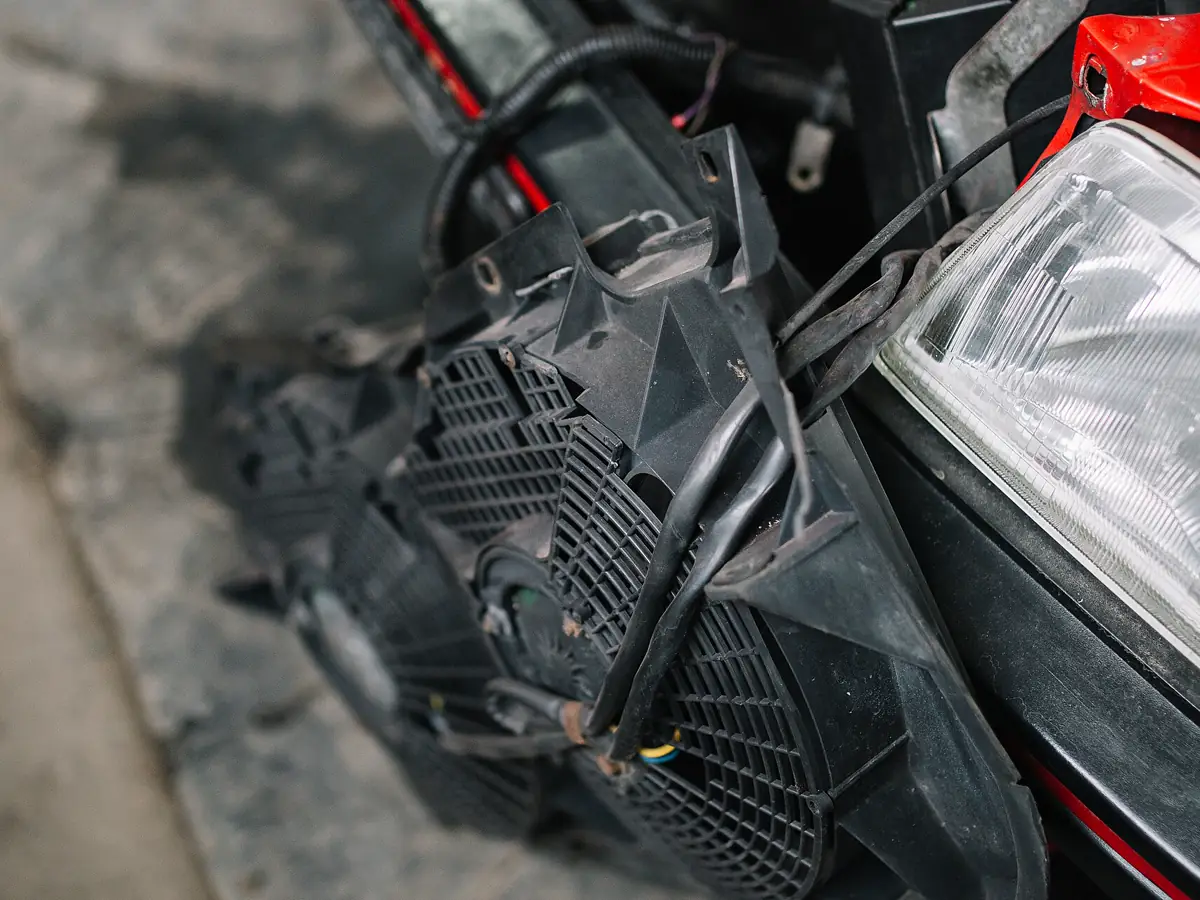
- Radiator replacement and repair
- Coolant flush and refill
- Water pump replacement
- Thermostat and hose service
- Heater and blower repair
Warning signs to watch for
- The A/C blows warm or only slightly cool air on a hot day.
- The temperature gauge climbs toward hot in traffic or on hills.
- You smell sweet coolant or see green, orange, or pink puddles.
- The heater blows cold air, or the windows fog and will not clear.
- You hear grinding or squealing from the front of the engine.
- The coolant level drops between fill-ups with no visible leak.
How we work
We start with a performance check. We measure vent temperature, test system pressures, and look for leaks in the hoses, joints, and radiator. A digital inspection with photos shows you exactly what we found and where it is, so the problem is easy to understand.
You get a written quote with parts and labor listed. Nothing is done without your approval. We refill with the correct coolant or refrigerant for your vehicle, then test the whole system again and confirm the temperatures are right before you drive away.
Refrigerant and coolant explained
Most vehicles use one of two A/C refrigerants. Older models use R-134a. Newer ones use R-1234yf. They are not interchangeable, and each needs its own equipment.
An A/C system is sealed, so low refrigerant means a leak. Adding more without finding it only delays the problem.
Engine coolant carries heat away from the engine. It also contains additives that protect metal parts from rust. Those additives wear out, which is why coolant needs changing on a schedule, not just topping up.
Good to know
Never open a hot radiator cap. If your temperature gauge reads high, pull over safely and switch off the engine. Driving even a few more minutes while overheated can warp the cylinder head and turn a modest repair into a major one.