What we handle
- Brake pad replacement
- Rotor resurfacing and replacement
- Caliper and hose repair
- Brake fluid flush
- Drum brake service
- ABS warning light diagnosis
- Brake and lamp inspection
- Parking brake adjustment
Warning signs to watch for
- A squealing or grinding noise when you press the brake pedal.
- The pedal feels soft, sinks slowly, or needs to be pumped.
- Your vehicle pulls to one side when you brake.
- The steering wheel or pedal shakes during braking at highway speed.
- The ABS or brake warning light stays on after you start the engine.
- You notice a burning smell or fluid under the vehicle.
How we work
Every brake job starts with a digital inspection. A technician measures pad thickness and rotor condition, checks hoses and calipers for leaks, and takes clear photos at each wheel. You see them on your phone before we talk about price, so you know exactly what is worn.
Then we send a written quote with parts and labor listed separately. Nothing is done without your approval. After the repair we road-test the vehicle, and we are glad to show you the old parts if you would like to see them for yourself.
Pads, rotors and fluid explained
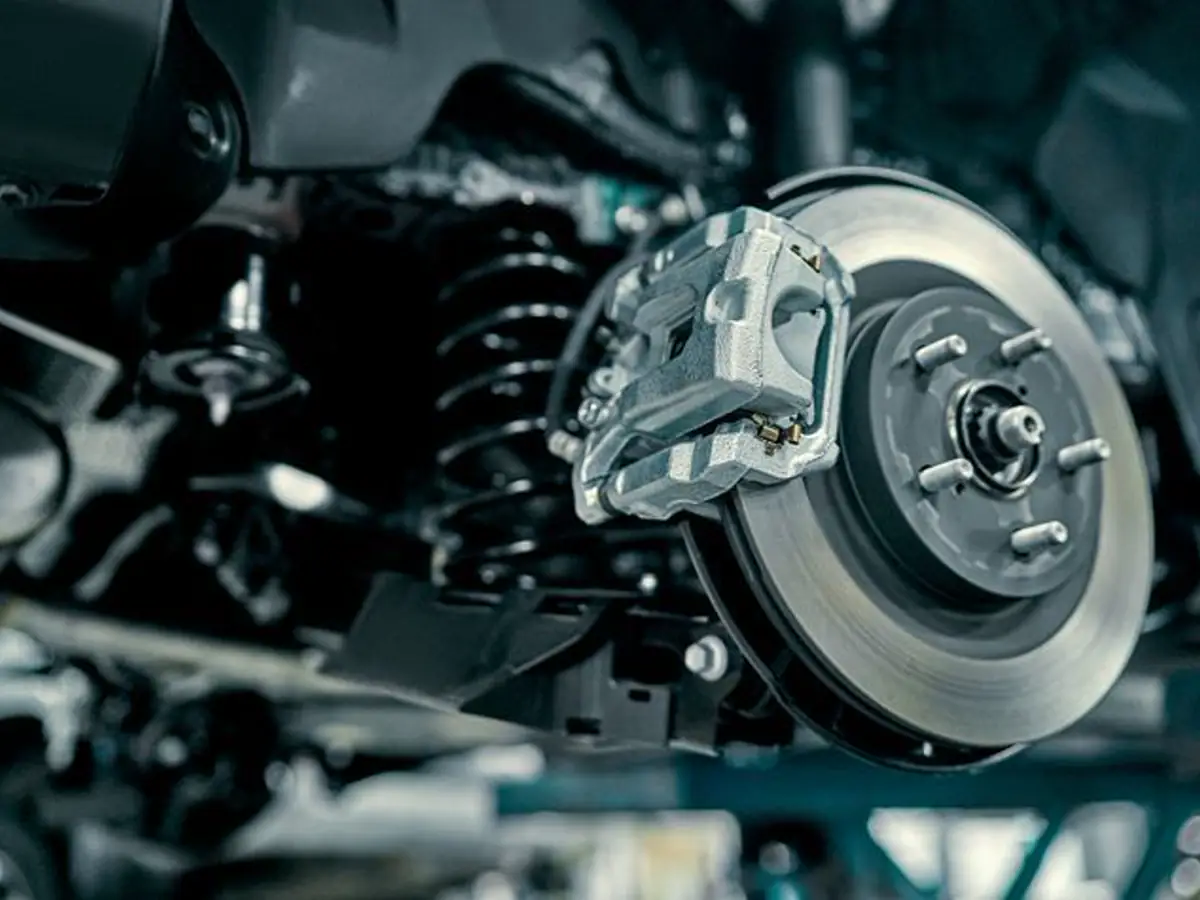
Brake pads press against the rotors to slow the wheel. Pads wear down over time. Rotors can wear unevenly or warp from heat.
- Pads: replaced when the friction material gets thin, often before you hear noise.
- Rotors: resurfaced or replaced if they are too thin, scored, or uneven.
- Fluid: absorbs moisture over the years, which lowers its boiling point and can corrode parts inside the system.
- Drum brakes: found on the rear of many vehicles and checked for worn shoes and stuck hardware.
Good to know
Pad life varies a lot with driving style, vehicle weight, and traffic. City stop-and-go wears brakes faster than steady highway miles. Catching worn pads early often means you replace only pads, not pads and rotors.