Brakes are the one system you cannot afford to guess about. The good news is that they rarely fail without warning. They squeal, grind, shake, or feel different well before they stop working.
Knowing what each sign means helps you act early, when repairs are smaller and cheaper.
Sounds that point to trouble
Most brake pads have a small metal tab that touches the rotor when the pad gets thin. It makes a high-pitched squeal on purpose. That sound is a request for attention.
A deep, harsh grinding is more serious. It usually means the pad material is gone and metal is rubbing on metal. At that point the rotors are likely being damaged, and the repair gets more expensive each week you wait.
Feelings through the pedal and wheel
Your hands and feet notice changes before your ears do.
- A soft or spongy pedal. This can mean air or moisture in the brake fluid, or a leak.
- A pedal that sinks slowly. This can point to a failing master cylinder.
- A pulsing pedal. Warped or uneven rotors often cause this, especially from highway speeds.
- A steering wheel that shakes when braking. This also points to the front rotors.
- The car pulling to one side. A stuck caliper or uneven pad wear is a common cause.
Dashboard lights
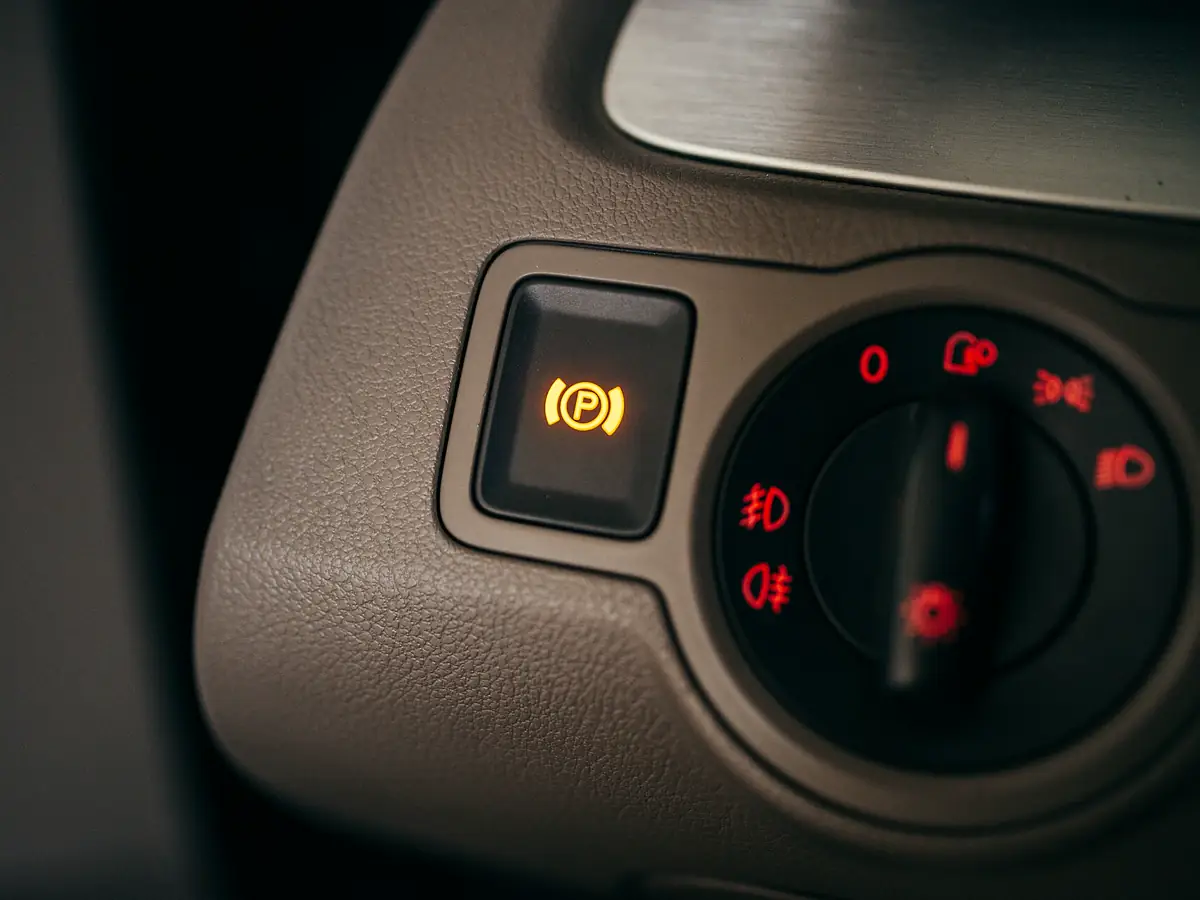
A red brake light can mean the parking brake is on, the fluid is low, or there is a hydraulic problem. Check the parking brake first. If the light stays on, have the car looked at before driving any distance.
An amber ABS light means the anti-lock system has a fault. Your regular brakes will still work, but the anti-lock feature may not. That is worth a prompt visit. You can read more on our brakes page.
What to do when you notice a sign
A calm, simple routine helps you decide what to do next.
- Note exactly what you hear or feel and when it happens.
- Check the brake fluid level if you know how, and look for puddles under the car.
- Avoid hard braking and leave extra space ahead of you.
- Book an inspection as soon as you can.
- If the pedal goes soft, the car pulls hard, or you hear grinding, stop driving and call us.
How long brake parts usually last
There is no single number. Pads can last from about 30,000 to 70,000 miles, depending on how and where you drive. City traffic, steep roads, towing, and heavy loads wear them faster.
Brake fluid also ages. It absorbs moisture over time, which lowers its boiling point and can cause corrosion inside the lines and calipers. Many manufacturers recommend changing it every two to three years. Our car care guides explain both in plain language.
What a brake inspection includes
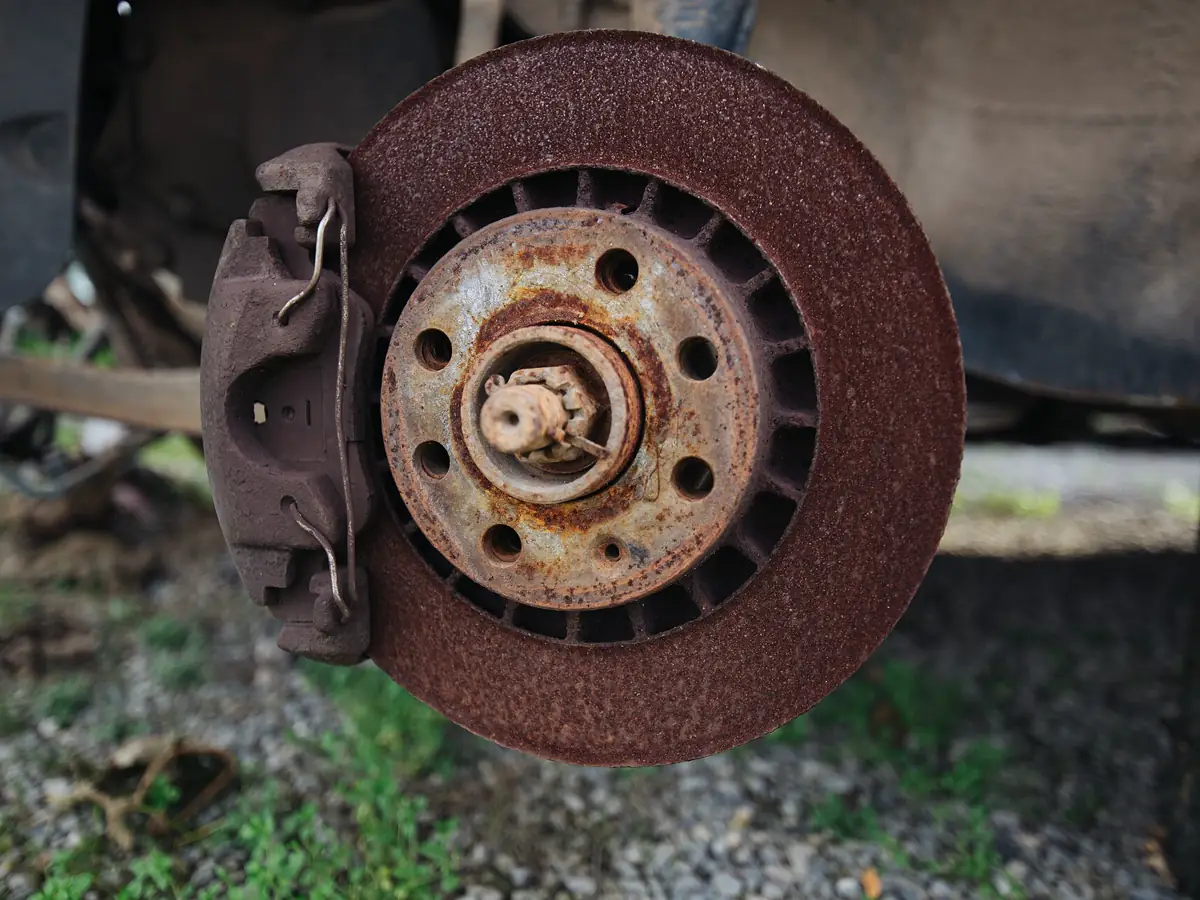
We measure pad thickness, look at the rotors for scoring and rust, check the calipers and hoses, and test the fluid. You will see what we see, with photos in a digital inspection when it helps. We explain what is urgent, what can wait, and what it costs before any work begins.
Brake inspections are free with any service. Repairs are backed by our 24-month / 24,000-mile warranty on parts and labor.
When to call us
If your brakes squeal, grind, pulse, or feel different in any way, do not wait for it to get worse. Visit our contact page to book a time, or call us at +1 (555) 010-0123. If the pedal feels unsafe, tell us when you call and we will advise you on the safest way to get the car in.